
Red Millet Biscuits: Texture, Shelf Life & Commercial Advantages for B2B Buyers
Article Content
For food manufacturers and wholesale buyers exploring alternative grain solutions, red proso millet presents compelling advantages in biscuit production. Understanding the texture and shelf-life characteristics of different red millet varieties enables better formulation decisions and market positioning.
Understanding Red Millet Varieties for Biscuit Production
Red proso millet comes in two primary varieties for commercial baking applications, each delivering distinct performance characteristics. Japonica red millet and glutinous red millet behave differently in formulations, affecting both texture and consumer acceptance.
The choice between varieties depends on your target market positioning, whether you're developing mainstream health products or premium specialty lines. Particle size of the flour or bran further influences the final product characteristics.
Texture Characteristics of Red Millet Biscuits
Density and Crispness Compared to Wheat
Red millet biscuits deliver a distinctly denser, crisper bite compared to traditional wheat biscuits. Recent 2025 research comparing four proso millet varieties reveals significant textural differences that manufacturers can leverage for product differentiation.
Japonica Red Millet: Consumer-Friendly Texture
Japonica red millet varieties produce biscuits with higher porosity, creating a lighter, more consumer-friendly texture that closely resembles conventional biscuits. The crumb structure offers a "fluffier" bite that maintains familiarity while delivering nutritional enhancement.
This makes Japonica red ideal for manufacturers seeking to enter the health-conscious mainstream market without alienating traditional biscuit consumers. The texture profile supports allergen-free product lines where familiar mouthfeel is essential for market acceptance.
Glutinous Red Millet: Premium Crispness
Glutinous red millet varieties yield notably harder, crisper, and chewier biscuits. Microstructure analysis shows these create a more compact crumb with higher oral friction, resulting in a drier, snap-like quality that appeals to premium segment consumers.
The characteristic crunch suits high-fibre product positioning and artisanal bakery lines. This variety excels in applications where distinctive texture becomes a selling point rather than a compromise.
Optimizing Mouthfeel in Red Millet Formulations
The particle size of your millet flour or bran significantly impacts final texture. Finer grinding softens the rustic bite, while coarser particles enhance the characteristic crunch. Adjusting fat content and emulsifiers compensates for the naturally drier mouthfeel, allowing manufacturers to balance texture while maintaining nutritional benefits.
Shelf Life Performance of Red Millet Biscuits
Comparable or Superior Storage Stability
Red millet biscuits match or exceed wheat biscuit shelf life under proper packaging conditions. Studies on proso millet bran-enriched biscuits demonstrate that oxidation and texture remain acceptable throughout standard storage periods when fat quality and packaging are optimized.
Expected Shelf Life Duration
Typical ambient shelf life ranges from 30 to 60 days under standard conditions. Some formulations achieve longer periods, occasionally outlasting wheat controls in controlled comparison studies.
Factors Contributing to Extended Shelf Life
Three key factors contribute to the impressive shelf stability of red millet biscuits:
Lower moisture content: Millet formulations naturally retain less moisture than wheat equivalents, reducing microbial growth risk and texture degradation over time.
Higher antioxidant levels: Red millet varieties contain elevated natural antioxidant compounds that protect against lipid oxidation, the primary cause of rancidity in stored biscuits.
Natural preservation opportunities: The addition of spices or natural preservatives integrates well with millet's flavour profile, further extending shelf life without synthetic additives.
Commercial Applications for B2B Buyers
Positioning Japonica Red Millet Products
Japonica red millet suits mainstream health-conscious product lines and allergen-free ranges. The lighter texture and higher consumer acceptance make this variety ideal for manufacturers entering the alternative grain market while minimizing reformulation risks.
Target applications include gluten-free biscuit lines, school snack programs, and export markets where familiar texture supports market entry.
Positioning Glutinous Red Millet Products
Glutinous red millet excels in high-fibre, long-shelf-life products targeting specialty and premium markets. The superior crispness and firmness create distinctive products that command higher price points.
Ideal applications include artisanal bakery lines, health food specialty channels, and premium export products where extended shelf life reduces distribution costs and waste.
Distribution and Export Advantages
The darker colour and more rustic appearance of red millet biscuits appeals to consumers seeking authentic, wholefood products. Combined with extended shelf life, this creates significant value for distribution networks spanning multiple regions and export markets with longer supply chains.
Bulk Red Millet Supply for Commercial Production
Sourcing Quality Red Millet Varieties
Consistent product performance requires reliable access to quality-controlled red millet supplies. Working with established B2B suppliers ensures batch consistency, proper storage, and traceability documentation required for food safety compliance.
Formulation Support and Technical Specifications
Successful red millet biscuit production benefits from supplier collaboration on particle size specifications, moisture content requirements, and formulation adjustments. Technical support accelerates product development and reduces costly reformulation cycles.
Frequently Asked Questions About Red Millet Biscuits
How does red millet affect biscuit colour? Red millet creates darker biscuits with rustic appearance that appeals to wholefood consumers. The degree of colour change depends on the percentage of millet in your formulation and the variety selected.
Can red millet completely replace wheat flour in biscuits? Yes, though formulation adjustments for binding and texture are necessary. Many manufacturers use partial substitution (30-50%) to balance nutrition, texture, and cost.
Does red millet require different baking temperatures or times? Minor adjustments may be needed. Red millet biscuits often require slightly lower temperatures or shorter baking times due to faster browning and different moisture dynamics.
Are red millet biscuits suitable for allergen-free certification? Yes, red millet is naturally gluten-free and suits allergen-free product lines when processed in dedicated facilities with proper allergen controls.
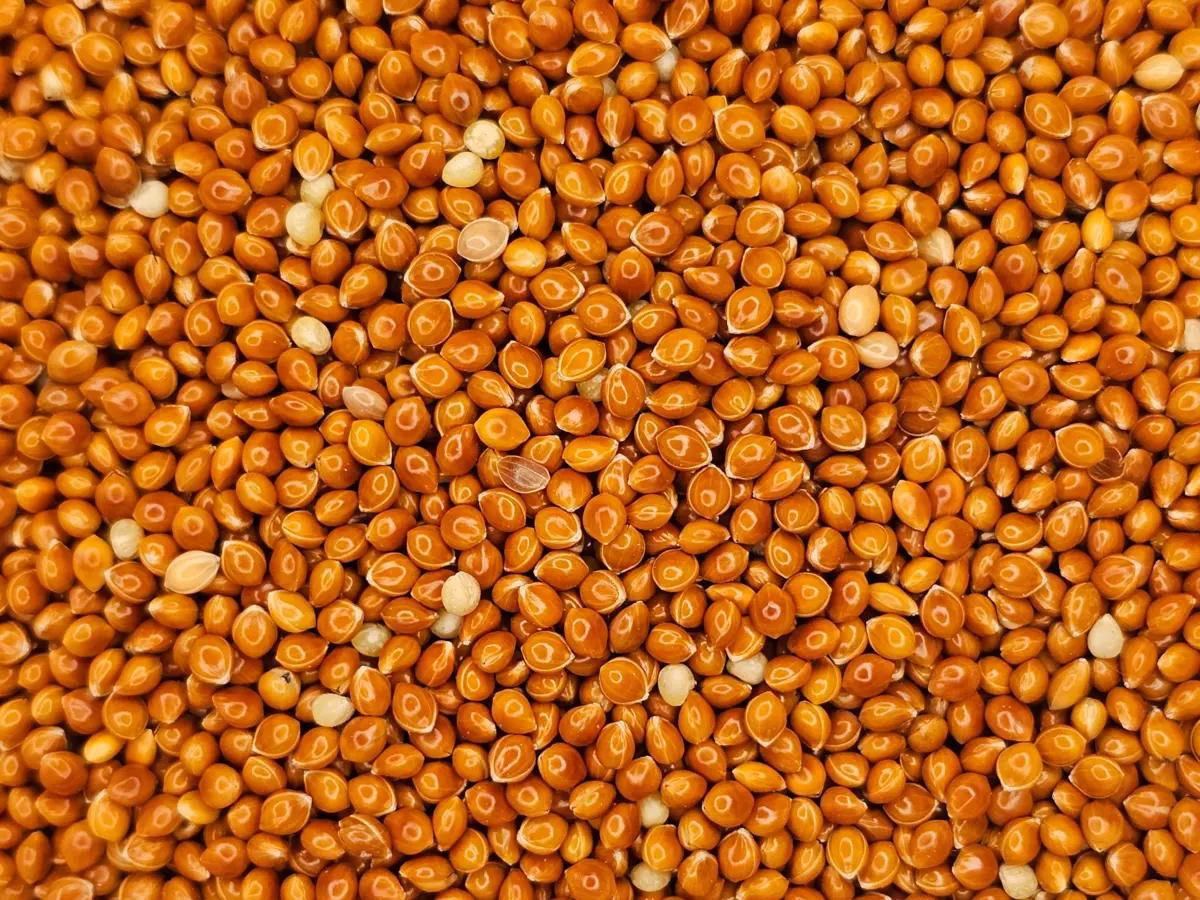
Red Millet Seeds - Bulk Wholesale
Source Red Millet Seeds, Gluten-Free and IFS Certified, ideal for premium, clean-label food production.